
- Your cart is empty
- Continue Shopping
-15%


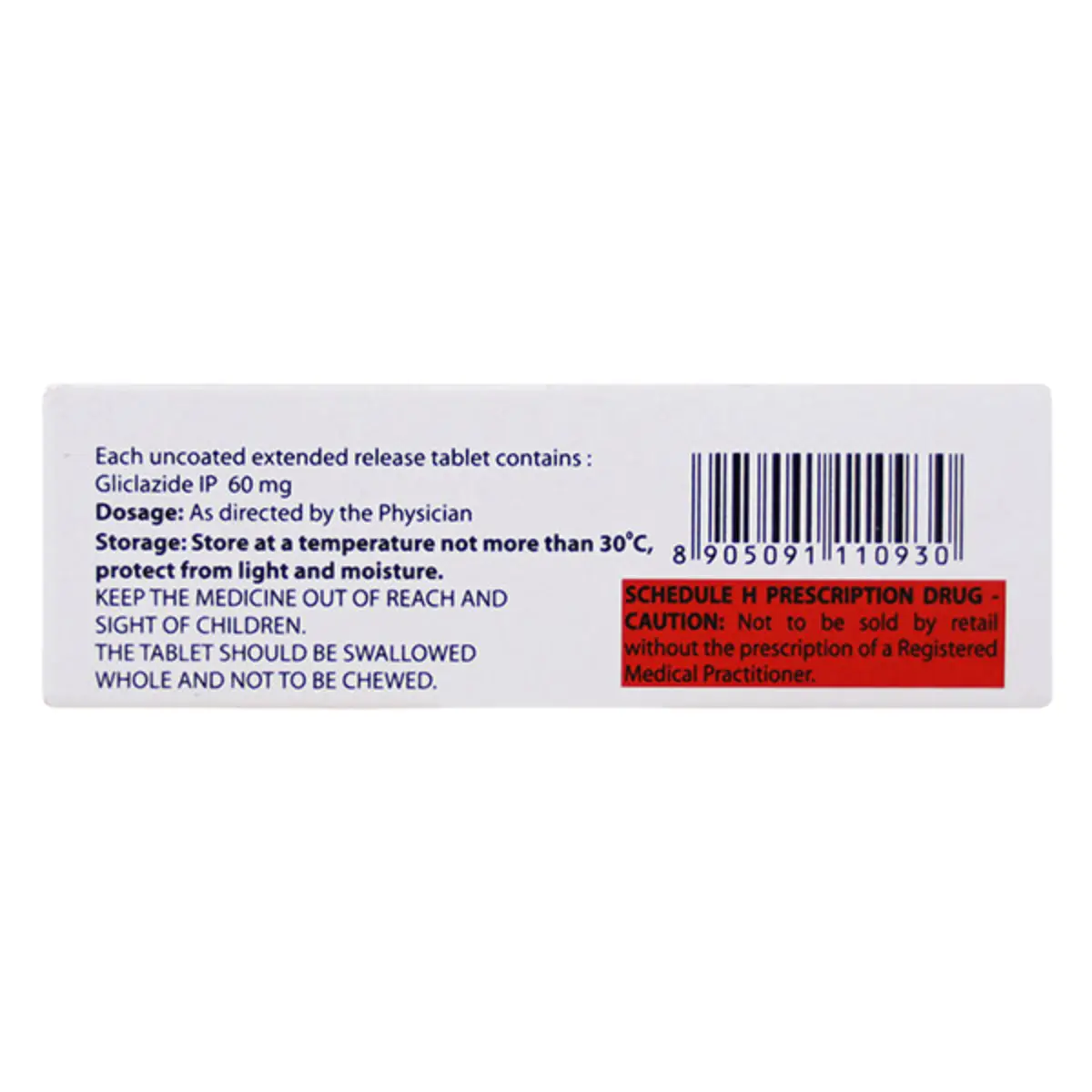
GLIZID XR 60
Original price was: ₹111.60.₹95.00Current price is: ₹95.00.
Glizid XR 60 Tablet is indicated for the management of type 2 diabetes mellitus in adult patients. It is classified under the sulfonylureas category, which functions to regulate blood glucose levels effectively. This regulation is essential in preventing the onset of serious diabetes-related complications. The tablet may be utilized as a standalone treatment or in conjunction with other medications to achieve optimal blood sugar control. It is recommended that Glizid XR 60 be taken with meals to enhance its effectiveness. Adhering to a consistent schedule—taking the tablet at the same time each day—is crucial for maximizing its benefits. The prescribing physician will determine the most appropriate dosage, which may be adjusted periodically based on the patient’s response to treatment. It is vital to continue this medication as directed, even if you feel well or your blood sugar readings are stable; discontinuation without medical advice may lead to an increase in blood glucose levels, increasing the risk of severe complications such as kidney damage, vision loss, and neuropathy. It is important to note that this medication is part of a comprehensive treatment plan that includes a balanced diet, regular physical activity, and weight management as advised by healthcare professionals. Maintaining a healthy lifestyle is integral to effective diabetes management. Patients should be aware of potential side effects, including diarrhea and headaches, and the risk of hypoglycemia, which is characterized by symptoms like sweating, dizziness, headache, and trembling. Being prepared to address low blood sugar scenarios is essential for safety. It is advisable to maintain regular meal patterns and have quick sources of glucose available, such as sugary snacks or fruit juice. Alcohol consumption should be avoided as it may exacerbate the risk of hypoglycemia. Additionally, some patients may experience weight gain while on this medication. Glizid XR 60 should not be taken by individuals with type 1 diabetes, diabetic ketoacidosis, or significant liver or kidney impairments. Prior to initiating treatment, patients should inform their doctor of any history of heart disease, thyroid disorders, or hormonal imbalances. Pregnant or lactating individuals are encouraged to consult with their healthcare provider before use. Regular monitoring of blood glucose levels is recommended, along with periodic blood tests to evaluate blood cell counts and liver function as necessary.

Reviews
There are no reviews yet.