- Your cart is empty
- Continue Shopping



-15%


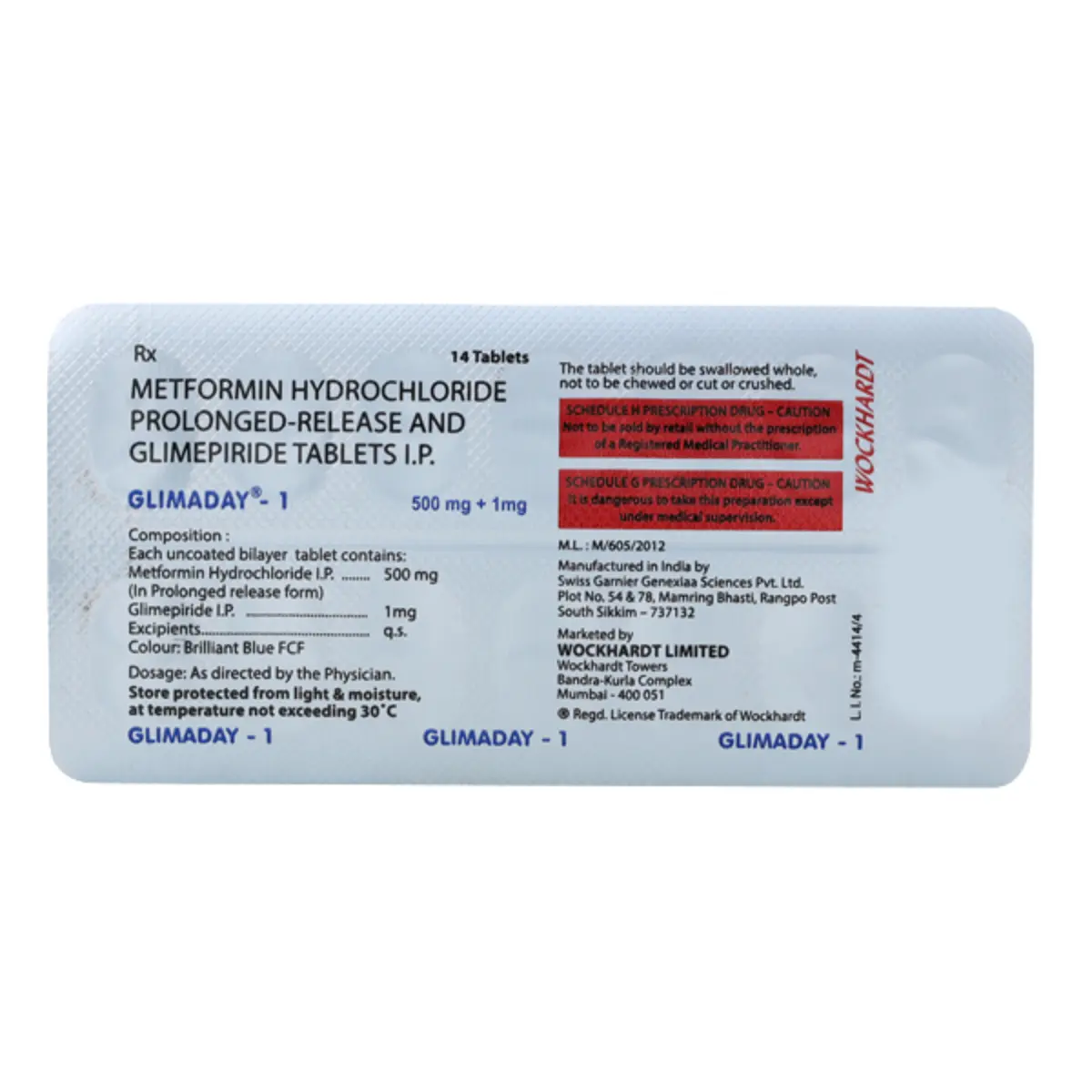
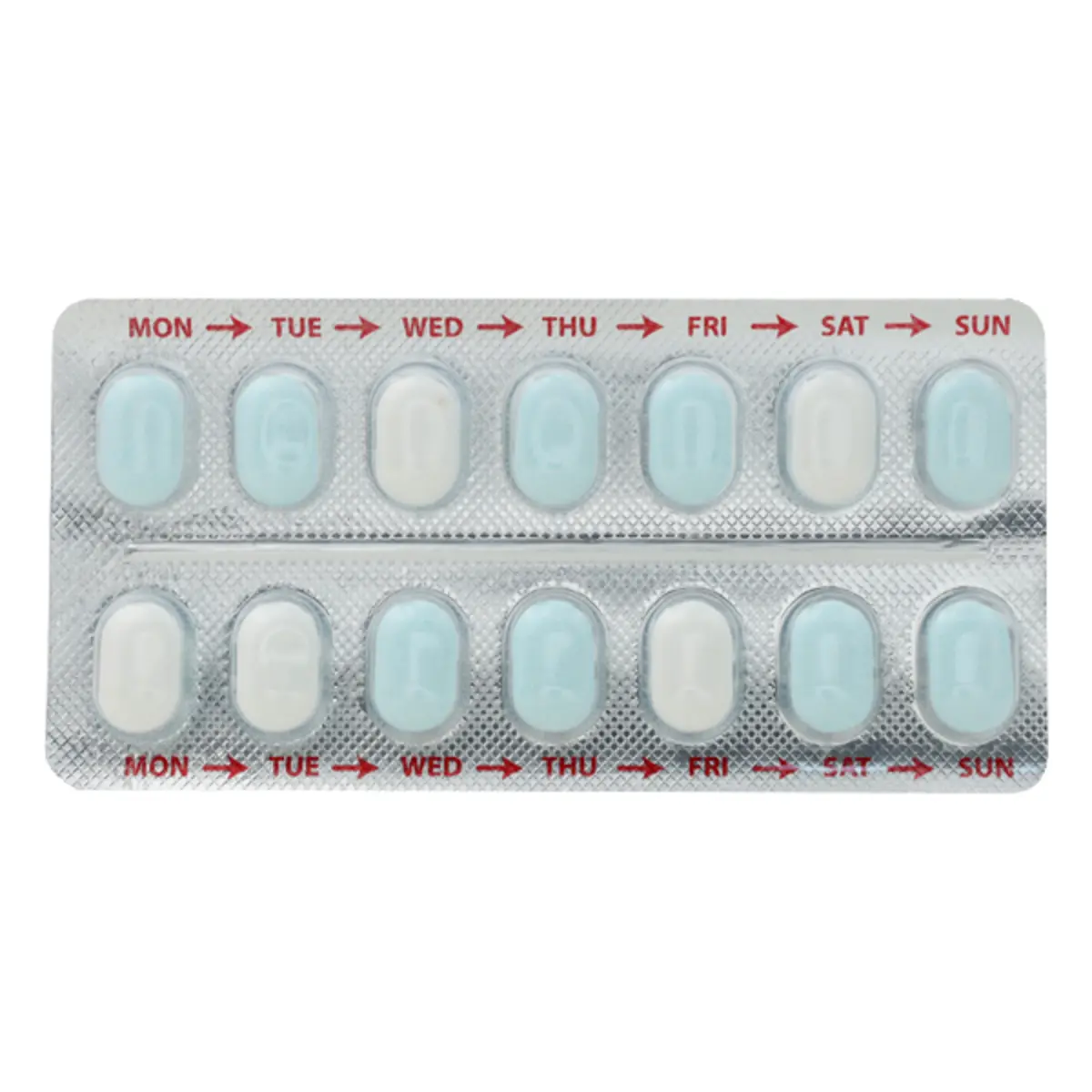
GLIMADAY 1MG
Original price was: ₹169.50.₹144.64Current price is: ₹144.64.
Add to cart
Buy Now
Glimaday 1 Tablet is classified among medications intended for managing diabetes, specifically designed for individuals with type 2 diabetes mellitus. This formulation combines two distinct therapeutic agents that work together to regulate blood glucose levels effectively. To maximize its effectiveness, it is advisable to consume Glimaday 1 Tablet alongside food. Consistent usage at the same time each day is crucial for optimal results. The prescribing physician will determine the most appropriate dosage for each individual, which may require adjustments based on blood glucose monitoring results and overall response to treatment. It is essential to continue taking this medication even if your condition appears stable or if your blood sugar levels remain within a normal range. Discontinuing the medication without consulting your doctor may lead to elevated blood sugar levels, significantly increasing the risk of serious complications such as kidney damage, vision impairment, nerve issues, or limb loss. Additionally, this medication should be part of a comprehensive diabetes management plan that includes a balanced diet, physical activity, and weight management as recommended by your healthcare provider. Lifestyle choices are integral to effective diabetes management. The predominant side effect associated with Glimaday 1 Tablet is a decrease in blood sugar levels, known as hypoglycemia. It is essential to be vigilant about the signs of low blood sugar, which include sweating, dizziness, headaches, and tremors. Having regular meals and carrying a quick source of sugar, such as candy or fruit juice, is advised to help prevent hypoglycemia. Consumption of alcoholic beverages may heighten the risk of low blood sugar and should be avoided. Other possible adverse effects include changes in taste, nausea, diarrhea, abdominal pain, headaches, and upper respiratory infections. Some individuals may also experience weight gain while using this medication. It is contraindicated in individuals with type 1 diabetes, diabetic ketoacidosis, or severe liver or kidney diseases. Prior to initiating treatment, it is important to inform your healthcare provider about any history of heart conditions, as this may influence the suitability of this medication. Regular monitoring of blood sugar levels is recommended, along with periodic blood tests to assess liver function and blood cell counts.

Reviews
There are no reviews yet.