- Your cart is empty
- Continue Shopping


-15%


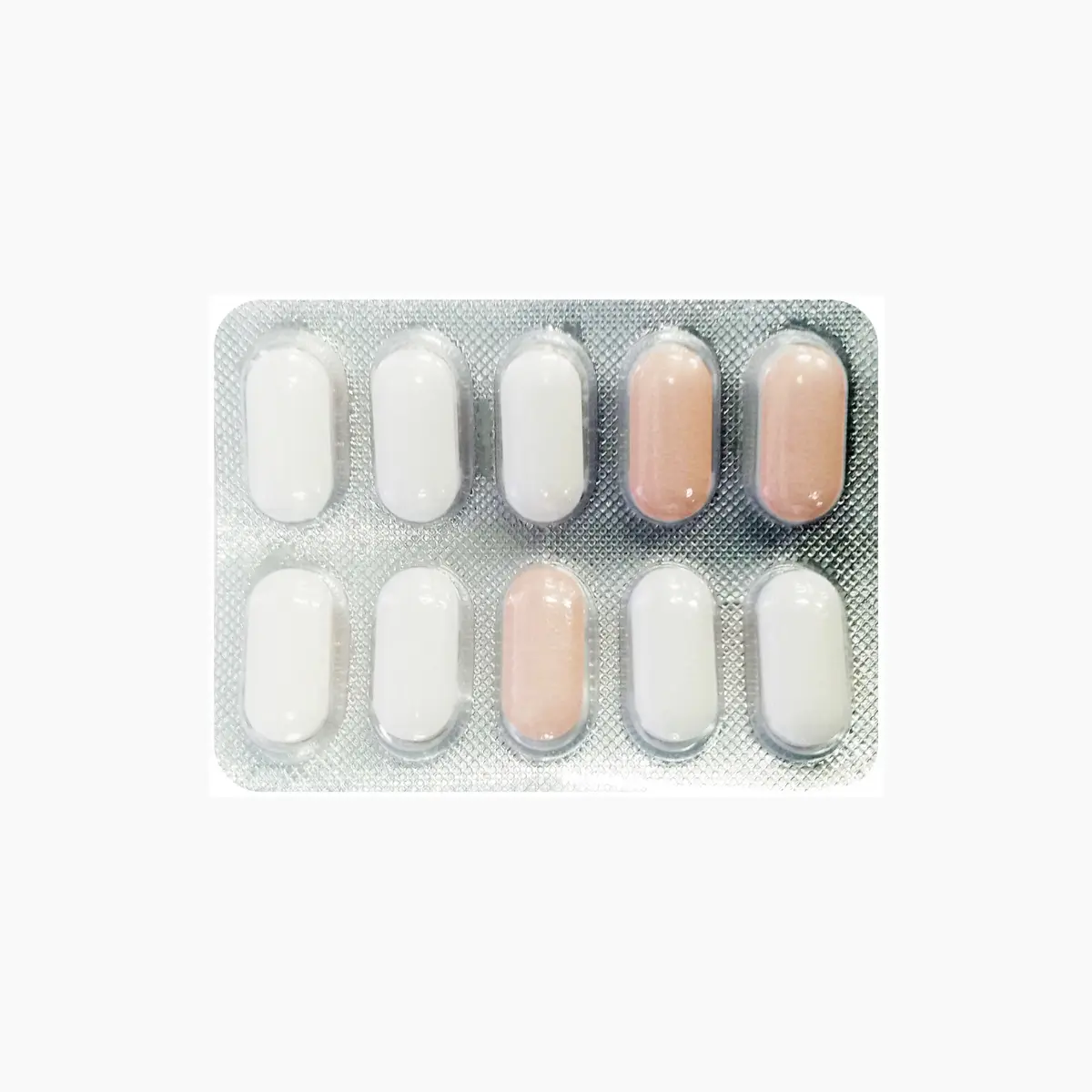
SEMI AMARYL M (Glimepiride (0.5mg) + Metformin (500mg))
Original price was: ₹63.70.₹54.32Current price is: ₹54.32.
Add to cart
Buy Now
Semi Amaryl M Tablet PR is classified as an anti-diabetic medication and is designed to assist in managing type 2 diabetes mellitus in adults. This pharmaceutical product combines two active ingredients that work synergistically to help regulate blood glucose levels in individuals diagnosed with this condition. For optimum results, it is advised to take Semi Amaryl M Tablet PR with food and consistently at the same time daily. The prescribing physician will determine the appropriate dosage tailored to individual needs, which may vary over time based on the effectiveness of the treatment and the patient’s blood sugar monitoring results. Continuous use of this medication is essential, even if one feels well or achieves stable blood glucose readings. Discontinuation of this treatment without medical guidance could lead to increased blood sugar levels, posing risks for serious complications such as kidney damage, vision loss, nerve damage, and potential limb loss. It is crucial to remember that this medication forms just one part of a comprehensive diabetes management plan, which should also include a balanced diet, regular physical activity, and weight management as recommended by the healthcare professional. Lifestyle choices significantly influence diabetes control. A common adverse effect experienced by users is hypoglycemia, marked by low blood sugar levels; thus, it is important to recognize symptoms such as excessive sweating, dizziness, headache, and trembling, and to know how to respond. To mitigate the risk of hypoglycemia, individuals should maintain regular meal times and have a quick source of glucose readily available, such as candy or fruit juice. Alcohol consumption is discouraged as it may exacerbate the risk of low blood sugar. Other possible side effects include alterations in taste, nausea, diarrhea, abdominal pain, headaches, and infections of the upper respiratory tract, and some individuals may experience weight gain while on this medication. It is contraindicated in individuals with type 1 diabetes, diabetic ketoacidosis, or significant kidney or liver impairment. Patients with a history of heart disease should inform their physician prior to use. Women who are pregnant or nursing should seek medical advice before starting this medication, and regular monitoring of blood glucose as well as blood tests to evaluate blood cell counts and liver function may be recommended by the healthcare provider.
Related products

SIGADAX DP 50/5 (Dapagliflozin (5mg) + Sitagliptin (50mg))
Original price was: ₹215.60.₹90.00Current price is: ₹90.00.
Reviews
There are no reviews yet.