- Your cart is empty
- Continue Shopping


-15%


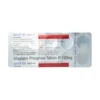
SEMI AMARYL 0.5MG (Glimepiride (0.5mg))
Original price was: ₹162.10.₹138.32Current price is: ₹138.32.
Add to cart
Buy Now
Semi-Amaryl 0.5mg is a medication classified under sulfonylureas, indicated for the management of type 2 diabetes mellitus in adults. This drug aids in maintaining appropriate blood glucose levels, which is instrumental in preventing severe complications associated with diabetes, such as renal impairment and vision loss. Semi-Amaryl can be administered independently or in conjunction with other diabetes medications. It is recommended to take it shortly before or during the first meal of the day, adhering to a consistent schedule for optimal effectiveness. The prescribing physician will determine the appropriate dosage, which may be adjusted periodically based on the patient’s blood glucose monitoring results. It is crucial to continue the medication even if one feels well or experiences stable blood sugar readings, as discontinuation without medical advice can lead to elevated glucose levels and increase the risk of complications like kidney damage, retinopathy, neuropathy, and limb loss. A comprehensive treatment approach should also incorporate a balanced diet, regular physical activity, and weight management strategies as directed by a healthcare professional, as lifestyle choices significantly influence diabetes control. Some common adverse effects associated with Semi-Amaryl include episodes of hypoglycemia, nausea, headaches, feelings of weakness, and dizziness. It is essential for individuals to be aware of the symptoms of low blood sugar, including sweating, shakiness, headaches, and lightheadedness, and have a rapid source of glucose available to manage such episodes. Additionally, alcohol consumption is discouraged as it can heighten the risk of hypoglycemia. Weight gain may occur in certain patients using this medication. It is contraindicated in individuals with type 1 diabetes, diabetic ketoacidosis, or those suffering from serious kidney or liver conditions. Prior to initiation of therapy, patients should inform their physician about any history of heart disease, thyroid disorders, or endocrine conditions to determine the suitability of the medication. Pregnant or breastfeeding individuals are advised to seek medical guidance before use. Regular monitoring of blood glucose levels, alongside blood tests to assess liver function and blood cell counts, may be recommended by the healthcare provider.
Related products

GLIMIPREX MF 2/500 (Glimepiride (2mg) + Metformin (500mg))
Original price was: ₹153.80.₹131.00Current price is: ₹131.00.
ENCORATE CHRONO 300MG (Sodium Valproate (200mg) + Valproic Acid (87mg))
Original price was: ₹65.00.₹55.56Current price is: ₹55.56.
LOXASAFE OZ (Levofloxacin (250mg) + Ornidazole (500mg))
Original price was: ₹122.80.₹100.00Current price is: ₹100.00.
Reviews
There are no reviews yet.