- Your cart is empty
- Continue Shopping


-76%


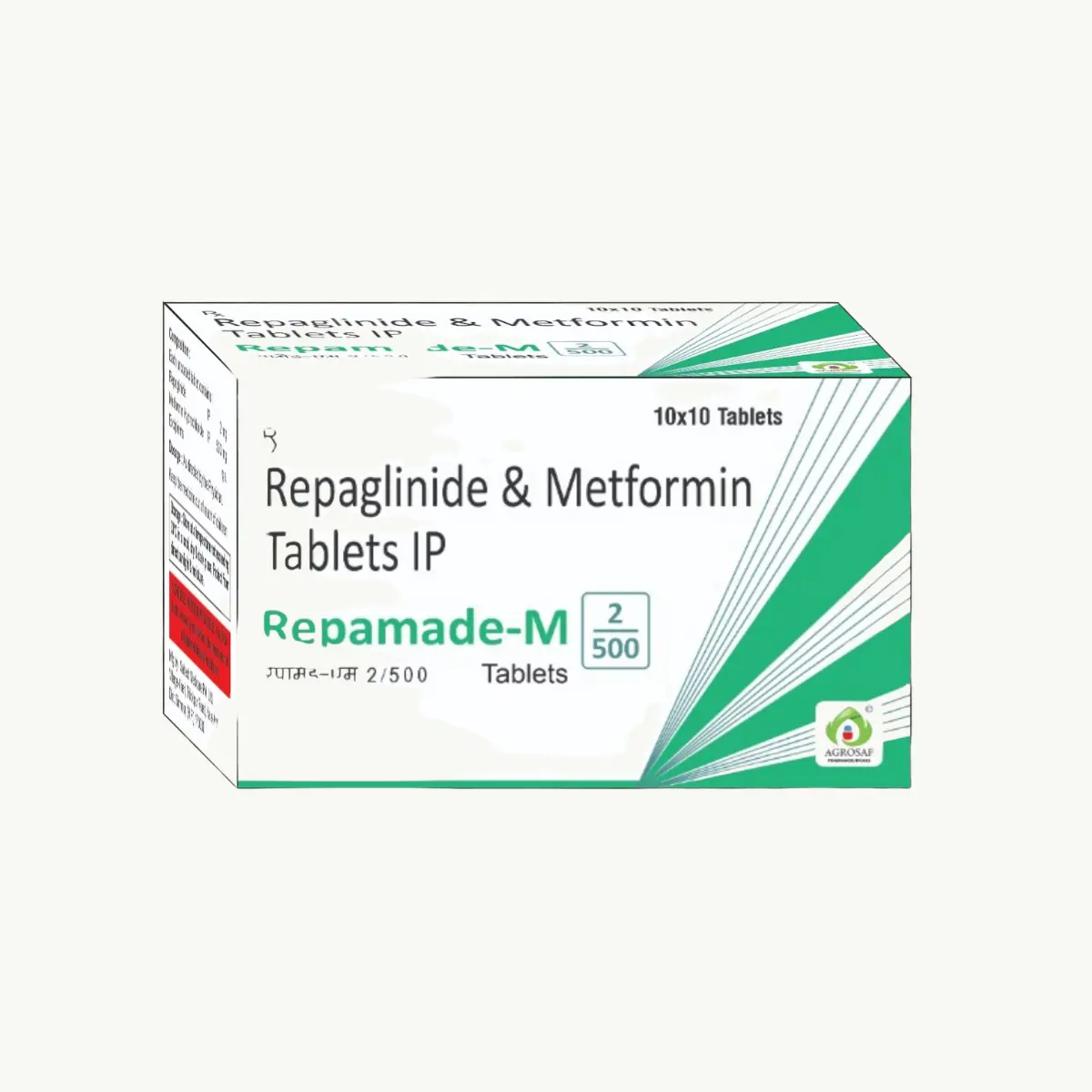
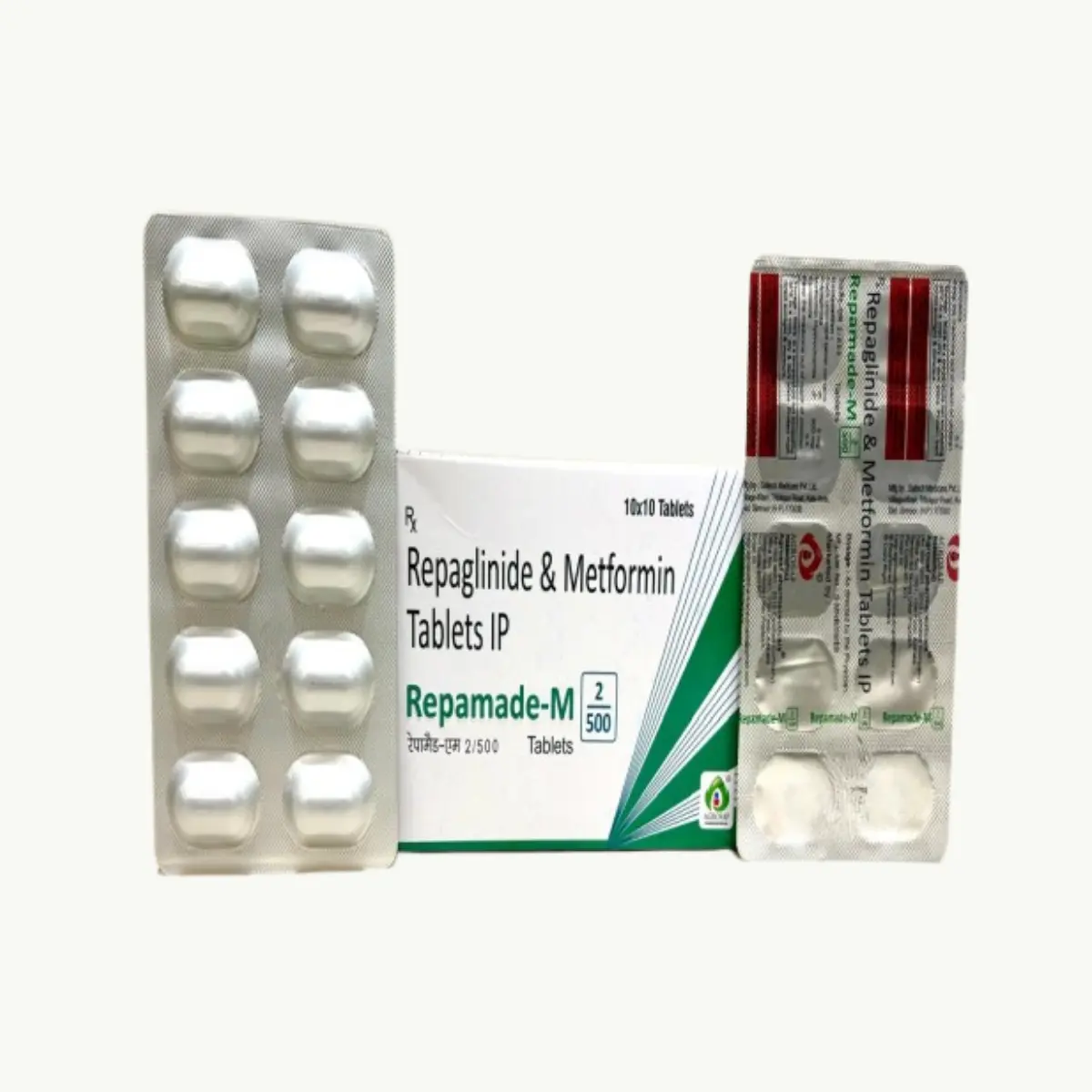
REPAMADE M (Repaglinide (2mg) + Metformin (500mg))
Original price was: ₹253.10.₹60.00Current price is: ₹60.00.
Add to cart
Buy Now
Repamade M Tablet 2mg/500mg is classified as an anti-diabetic medication, specifically designed for individuals diagnosed with type 2 diabetes mellitus. This formulation combines two distinct active ingredients that work synergistically to assist in managing blood glucose levels. When taken as prescribed, Repamade M Tablet helps regulate the sugar levels in the bloodstream, which is a critical aspect of diabetes management. It is recommended that this medication be consumed alongside food to enhance its efficacy and minimize the risk of gastrointestinal upset. Consistency is key; therefore, it is advisable to take the tablet at the same time each day for optimal results. Dosage may be adjusted by your healthcare provider based on your ongoing assessment of blood glucose levels. It is important to continue using Repamade M Tablet even if you feel healthy or your blood sugar appears stable, as discontinuation without medical guidance could lead to serious complications such as kidney damage, vision impairment, nerve issues, or limb loss. This medication is just one component of a comprehensive diabetes management plan that should include a balanced diet, regular exercise, and weight management strategies as advised by your healthcare professional. It is worth noting that the most prevalent side effect associated with Repamade M is the risk of hypoglycemia, or low blood sugar. Therefore, being aware of the signs of hypoglycemia—such as sweating, dizziness, headache, and tremors—is essential, along with knowing how to respond effectively. To mitigate this risk, regular meals and keeping a quick source of sugar on hand is recommended. Alcohol consumption may exacerbate the risk of low blood sugar and should be avoided. Other possible adverse effects include changes in taste, nausea, diarrhea, abdominal discomfort, headaches, and upper respiratory tract infections. Weight gain has also been reported by some users of this medication. Certain contraindications exist, including type 1 diabetes, diabetic ketoacidosis, or severe kidney or liver conditions. It’s critical to discuss any history of heart disease with your doctor before starting treatment. Regular monitoring of blood sugar and regular blood tests may be necessary to ensure safe and effective treatment.
Related products

Reviews
There are no reviews yet.