
- Your cart is empty
- Continue Shopping
-15%


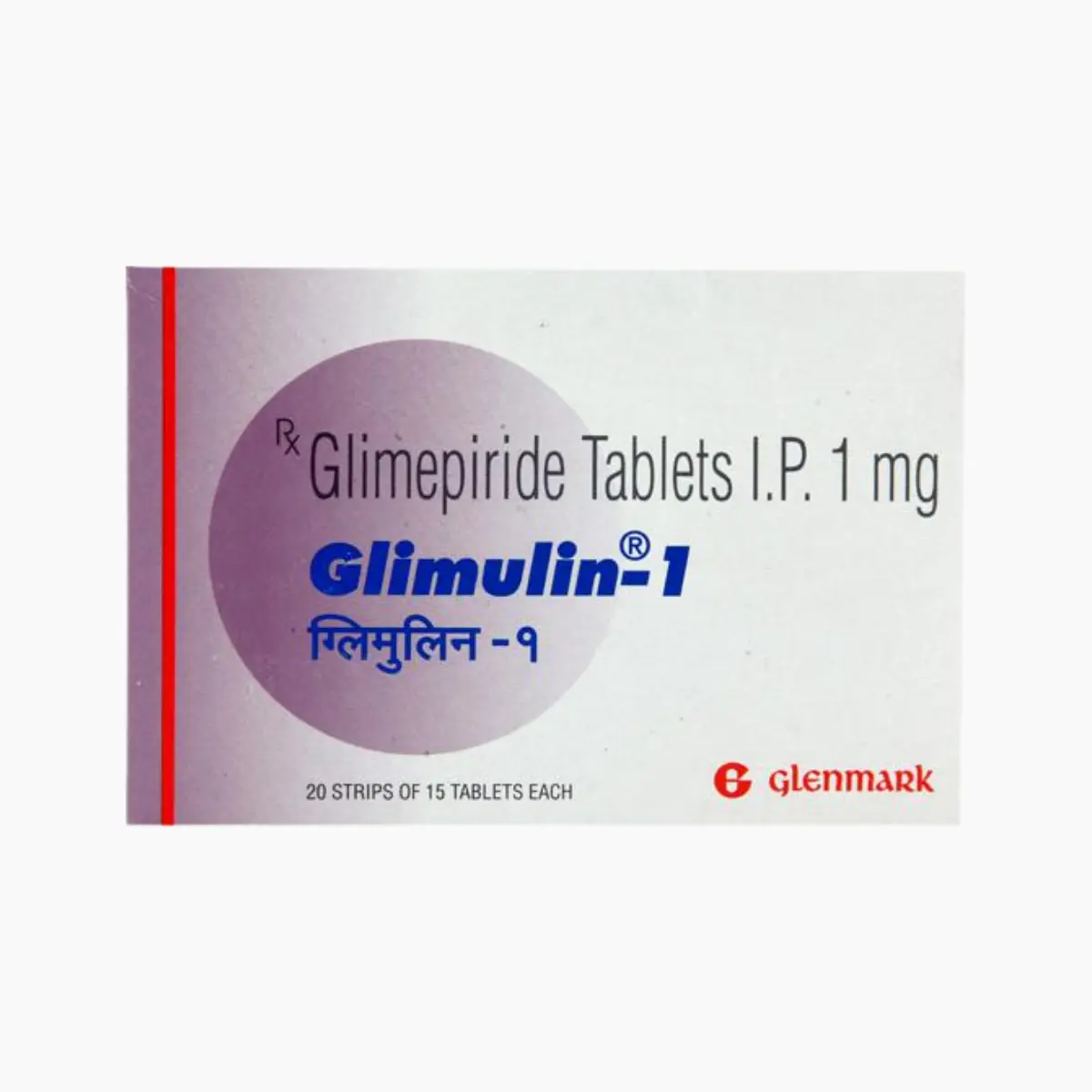
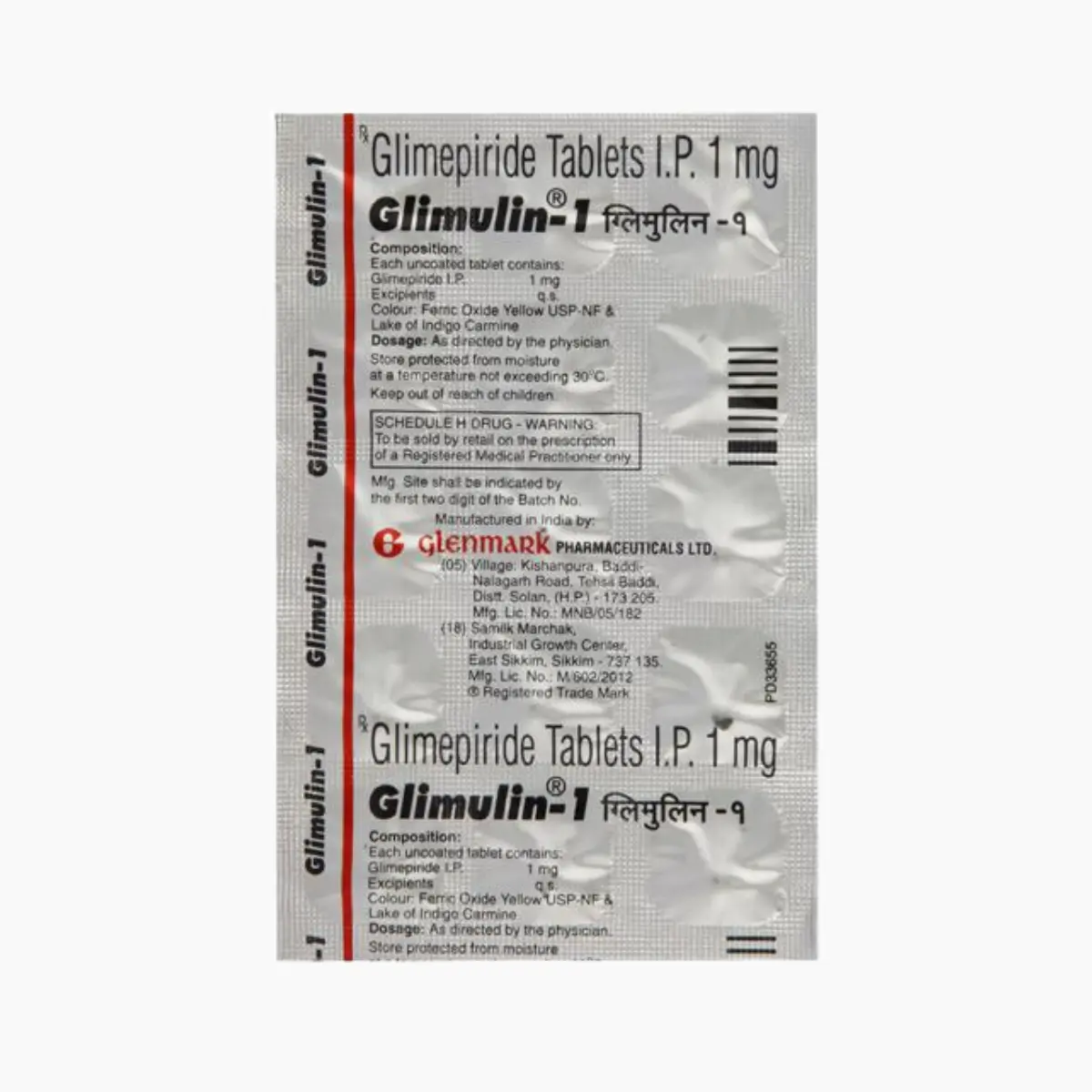
GLIMULIN 1MG
Original price was: ₹58.30.₹49.73Current price is: ₹49.73.
Glimulin 1 mg is a medication classified within the sulfonylurea group, primarily prescribed for the management of type 2 diabetes in adult patients. This medication assists in regulating blood glucose levels, thereby helping to avert potentially serious complications associated with diabetes, such as renal impairment and vision loss. Glimulin can be administered on its own or in conjunction with other anti-diabetic agents, and it is recommended to be taken shortly before or with the initial meal of the day. For optimal effectiveness, it is crucial to adhere to a consistent dosing schedule each day. The appropriate dosage will be determined by your healthcare provider, and it may be adjusted periodically based on your blood sugar readings. Continuation of Glimulin is important, even if you feel healthy or your blood sugar appears stable, as discontinuation without medical advice could result in elevated blood sugar levels, increasing the risk of diabetes-related complications like kidney issues, vision problems, nerve damage, and possible limb loss. Alongside medication, maintaining a balanced diet, engaging in regular physical activity, and achieving weight management are integral components of a comprehensive diabetes treatment strategy. Your personal lifestyle choices significantly influence diabetes management. It is important to be aware of potential side effects, such as hypoglycemia, which presents as low blood sugar levels, headaches, nausea, weakness, and dizziness. Recognizing the warning signs of low blood sugar, including sweating, dizziness, and trembling, is essential for prompt management. To mitigate the risk of hypoglycemia, regular meal consumption is advised, and it is prudent to carry a quick source of glucose, like sugary snacks or fruit juice. Alcohol consumption may heighten the risk of experiencing low blood sugar, so it is best to avoid it. Some individuals may also notice weight gain while taking this medication. Glimulin should not be utilized by individuals with type 1 diabetes, severe renal impairment, or diabetic ketoacidosis. Prior to commencing treatment, discuss any history of heart disease, thyroid issues, or hormonal disorders with your healthcare provider, as these factors may affect the suitability of this medication. Pregnant or nursing women should seek medical advice before using Glimulin. Regular monitoring of blood glucose levels is essential, and your healthcare provider might recommend additional blood tests to assess your blood cell counts and liver health.

Reviews
There are no reviews yet.